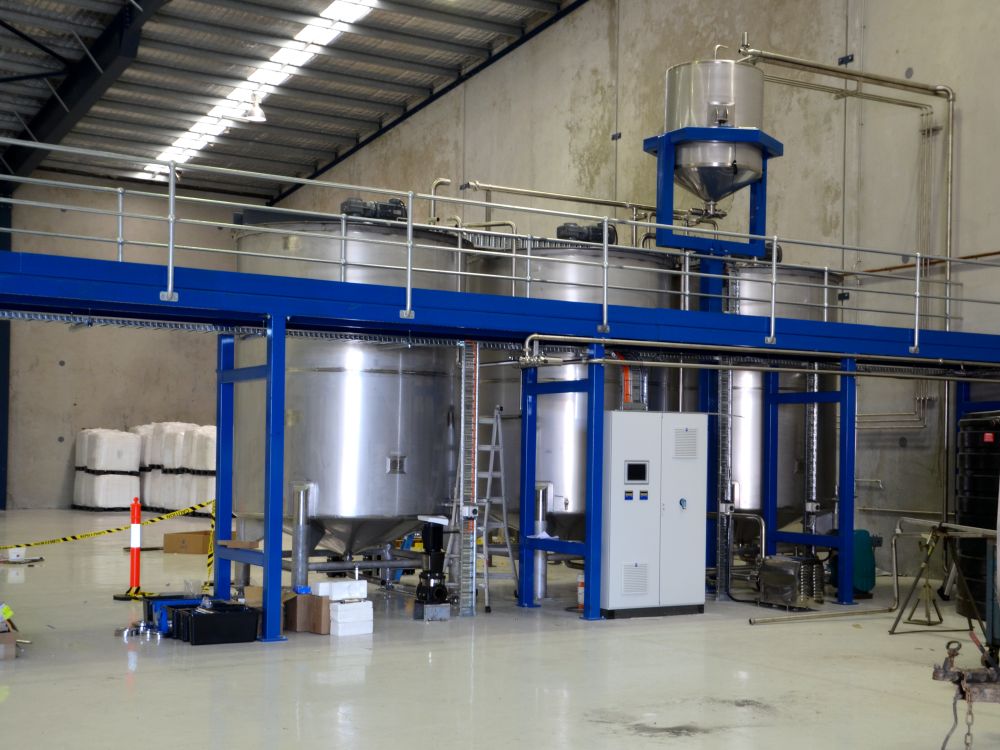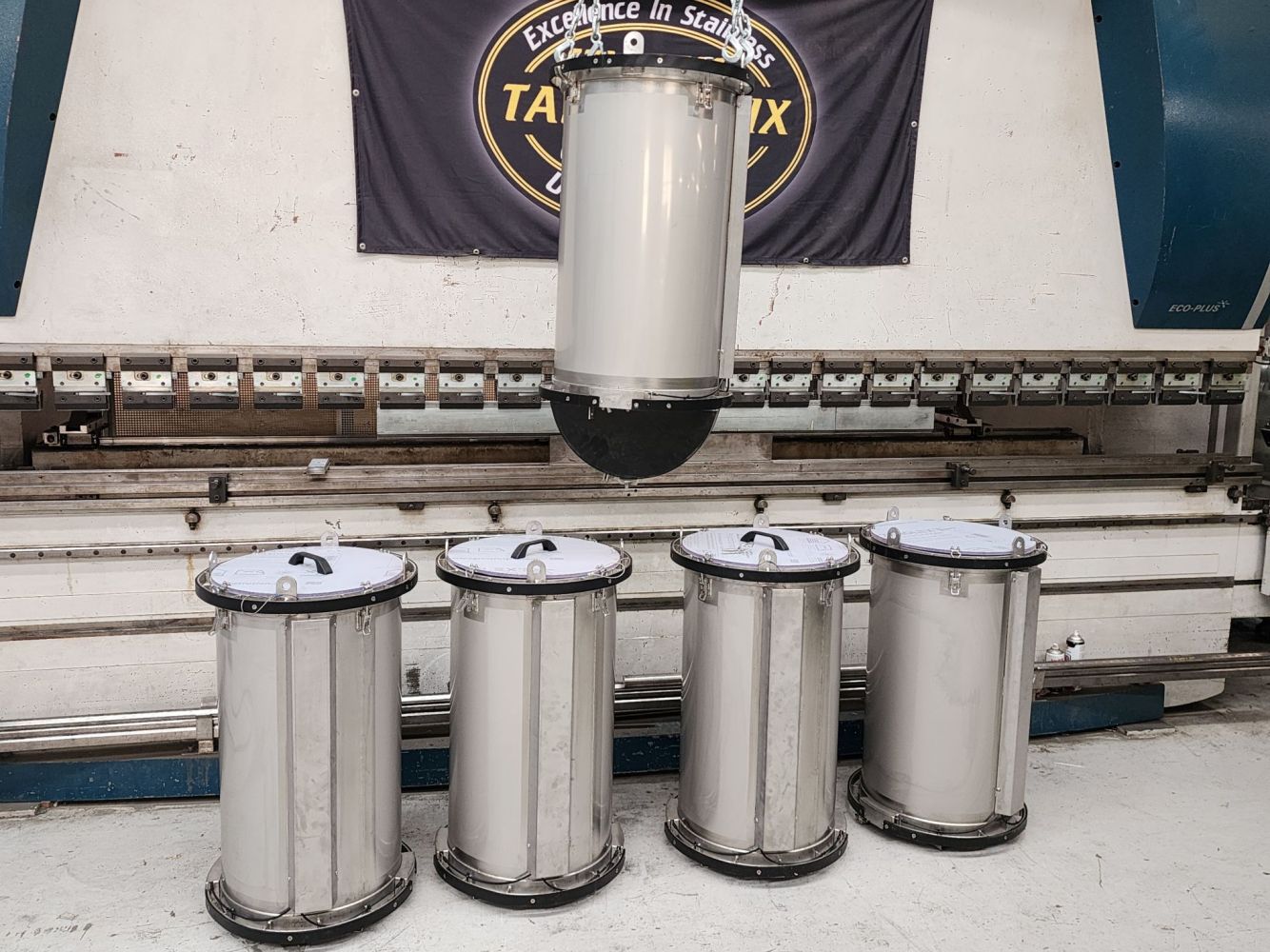
When learning how to choose the right stainless steel fabricator in Australia, the decision involves more than comparing quotes. For a high-value vessel or plant, the fabricator is part of the product. The quote tells you the price, but the workshop can reveal how the equipment will be designed, fabricated, and finished.
This guide covers ten questions to ask before choosing a fabricator, what to look for during a workshop or site visit, which documentation to request, and red flags that may indicate potential problems. It also looks at how a Sydney NSW fabricator such as Stainless Tank & Mix approaches the same checklist.
The aim is to help you assess factors such as engineering capability, fabrication quality, materials, documentation, compliance, and long-term support, rather than making your decision on price alone.
First, Decide What You’re Buying: A Catalogue Item or a Designed Solution
When choosing a stainless steel fabrication solution, the first question is whether an off-the-shelf catalogue item will meet your application requirements or whether you need an engineered-to-order solution.
Imported catalogue equipment can be a cost-effective option for straightforward applications. However, it may not account for your specific process, operating conditions, space constraints, capacity, or integration requirements. For a custom project, choosing equipment based on a standard design can result in compromises to performance, durability, or fit.
If a fabricator tells you they can build “the same but bigger”, consider it a red flag unless he is saying that to demonstrate the concept – ensure he is designing the bigger unit to the larger requirements. A stainless steel fabricator should assess each project individually and design the equipment around your requirements, rather than simply scaling an existing design.
Fabricator vs Reseller
A fabricator designs and manufactures stainless steel equipment to suit a specific application. At STM, we work with raw materials in our Minto workshop, designing and fabricating equipment around your requirements.
A reseller typically purchases pre-manufactured equipment from another supplier and sells it to the end customer. While some modifications may be possible, there is generally less scope for true customisation.
Ten Questions to Ask a Stainless Steel Fabricator
Before choosing a stainless steel fabricator, ask these ten questions to understand who will design, manufacture, test, install and support your equipment.
- 01
Who designs it, and can I meet them?
A good fabricator should clearly identify who is responsible for the design and give you the opportunity to speak with them. If they cannot explain who designs the equipment or you have no access to the design team, investigate further.
- 02
Who welds it and where: your workshop or a subcontractor overseas?
In-house welding gives you greater visibility over the manufacturing process and makes it easier to inspect or test the equipment before delivery. Ask whether welding is completed locally or subcontracted, and how this affects quality control and lead times.
- 03
Can I see a similar job and talk to that customer?
An experienced fabricator should be able to demonstrate relevant experience through similar projects, case studies or customer references. If they cannot provide evidence of previous work, consider whether they have the experience your project requires.
- 04
What grades do you work with and how do you choose?
The appropriate stainless steel grade depends on the application, process conditions, and equipment requirements. STM works with grades including 304, 316, SAF 2205, SAF 2507 and Nickel super alloys. The geometry of the equipment and mounting methods can also influence the design.
- 05
What documentation ships with the job?
Ask what documentation will be supplied with your equipment. This may include material test certificates, welding procedures and qualifications, weld maps, passivation records, test reports, FAT documentation, as-built drawings and P&IDs, O&M manuals, and AS 1210 design registration where applicable.
- 06
Which standards do you build to and who verifies them?
Ask which Australian Standards apply to your equipment and who is responsible for verifying compliance. For pressure equipment, this may include AS 1210. For specific tank applications, other standards such as AS 1692 may apply. Compliance should be addressed during design and manufacturing, not after the equipment is built.
- 07
How do you keep carbon steel away from stainless steel?
A good fabricator should have clear procedures to prevent cross-contamination. Dedicated tools, physical separation, appropriate storage, and controlled handling can help prevent carbon steel from coming into contact with stainless steel.
- 08
What’s the lead time and what happens if it slips?
Ask for a realistic lead time and what happens if production or delivery is delayed. Clear communication around timeframes helps you manage your wider project schedule. STM’s lead times are determined by project scope and requirements.
- 09
Who installs it and who repairs it?
Understand who will install the equipment and what support is available after delivery. Ask about repairs, modifications and ongoing technical support before committing to the project.
- 10
Can I visit the workshop?
A workshop visit can show you how the fabricator operates, including its equipment, materials, welding processes and quality controls. If a fabricator is unwilling to provide workshop access, ask why and investigate further before making your decision.
What to Look For on a Workshop Visit
There are a few factors to look out for when inspecting a stainless steel fabrication workshop. Cleanliness and housekeeping can indicate how well the workshop is organised, while the equipment, processes and projects underway can give you a better understanding of its capabilities.
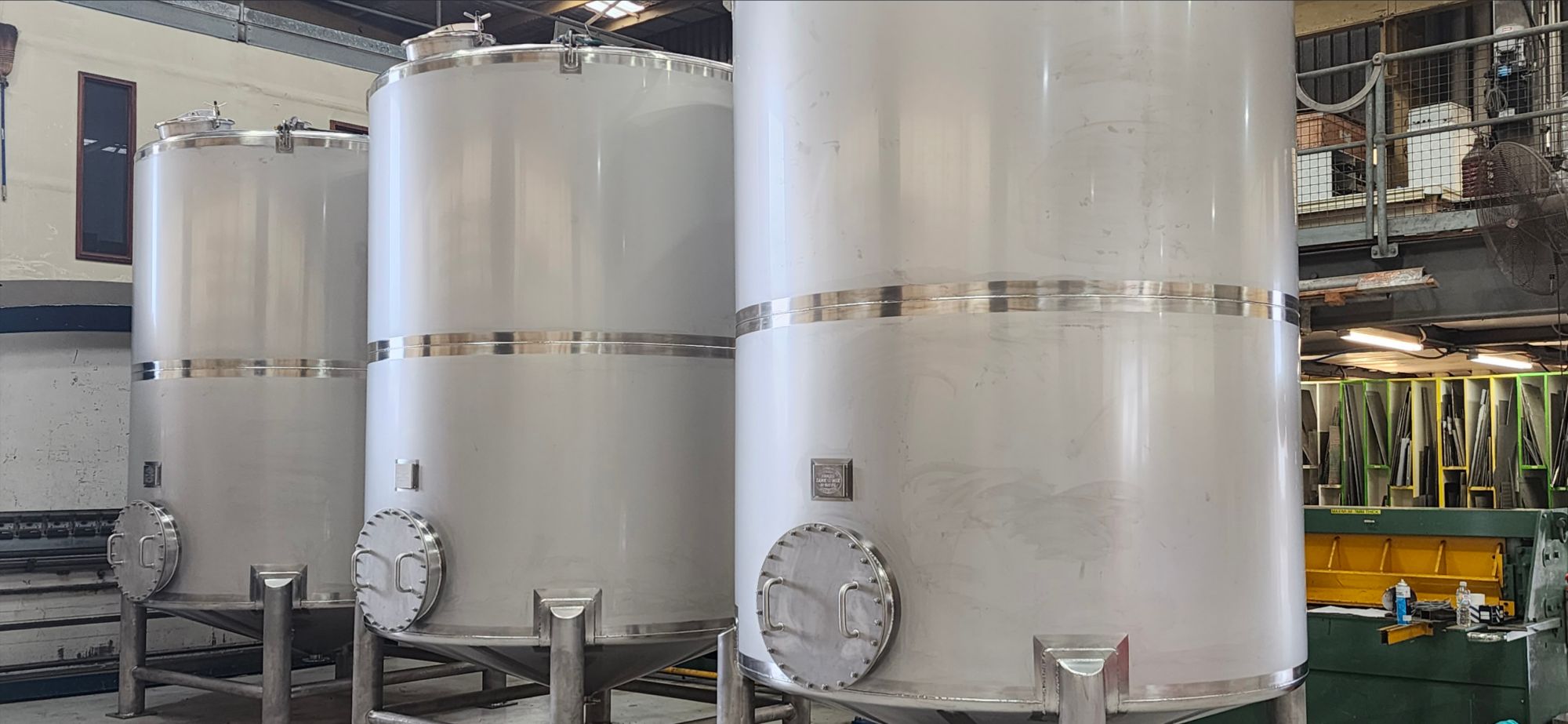
- Separate stainless steel areas and toolingStainless steel should be stored and handled separately from carbon steel to minimise the risk of contamination. Ask how dedicated tools and work areas are managed.
- HousekeepingA clean, organised workshop demonstrates controlled processes and makes it easier to identify how materials and equipment are handled.
- Jobs in progressLook for projects similar to yours in size and complexity. This provides a more useful indication of capability than a case study or photo.
- Welding and weld dressingAsk to see purge welding and weld dressing in progress. If you hear, “That was welded by a robot?”, look closely at the weld. Hand TIG welding can produce a consistent, controlled finish when completed by a skilled welder.
- Pickling and passivationAsk where stainless steel is pickled or passivated and how these processes are controlled and recorded.
- QA and traceabilityLook for a dedicated quality area and systems that track materials, welds, testing, and documentation throughout the project.
- Design officeEngineers should be able to demonstrate how 3D models, drawings, and other design tools are used before fabrication begins.
- Workshop capacityCheck cranes, fabrication bays and door heights to ensure the facility can physically handle equipment of your required size.
- People and safetyApprentices, experienced tradespeople and visible safety systems can provide insight into the workshop’s workforce, training and working practices.
Documentation That Separates a Fabricator from a Reseller
Documentation is an important part of a stainless steel fabrication project. It provides traceability and evidence of how the equipment was designed, fabricated, tested and supplied, giving auditors, insurers and utilities confidence that the equipment meets the required specifications.
Depending on the project, documentation may include material test certificates to verify the stainless steel grade and material supplied and weld procedure specifications to demonstrate controlled welding processes; and a weld map to provide traceability of weld locations.
Passivation records document the treatment of stainless steel surfaces, while hydrostatic, leak or vacuum test records provide evidence that the equipment has been tested as required. A Factory Acceptance Test (FAT) report records the inspections and testing completed before delivery.
As-built drawings and P&IDs provide an accurate record of the finished equipment and process connections, while an O&M manual supports operation and maintenance after installation. For applicable pressure equipment, AS 1210 design registration provides additional compliance documentation.
A reseller may supply a product, but a fabricator should be able to provide the documentation that demonstrates how your equipment was actually designed and built.
Red Flags
The lowest quote isn’t always the best value. Before choosing a stainless steel fabricator, look beyond the price and assess how they approach your project.
- No drawings? Ask why. A professional fabricator should provide visual documentation to demonstrate how your equipment will be designed and built.
- Can’t tell you who is engineering or welding your equipment? That’s a red flag. You should know who is responsible for your project and have confidence in the people carrying out the work.
- No factory address or site inspection? Think twice. A reputable fabricator should be willing to show you where your equipment is manufactured. At Stainless Tank & Mix, our Minto warehouse is open for customer visits.
- Be cautious if the fabricator says, “It’s the same as the catalogue, just bigger,” doesn’t offer repairs or modifications, or provides a quote significantly lower than competitors.
Price: What a Lower Quote Usually Leaves Out
It’s always tempting to choose the lowest quote, but is the fabricator transparent about what’s behind the price? A significantly lower quote may mean important elements of the project have been excluded or underestimated.
- Design timeHas sufficient time been allowed for engineering, drawings, and design development?
- Standards complianceDoes the quote account for the required standards, testing and quality controls?
- DocumentationAre drawings, certifications and manufacturing documentation included?
- Freight and craneHave delivery, unloading and crane requirements been considered?
- Site supportIs installation, commissioning, or on-site support included?
- WarrantyWhat warranty is provided, and what does it actually cover?
- Repair pathIf something goes wrong or modifications are required, who will support you?
A lower price may look attractive upfront, but the real cost can increase when these items are added later. Before comparing quotes on price alone, make sure you understand exactly what each fabricator is offering.
How Stainless Tank & Mix Answers Its Own Checklist
STM is a family-owned, third-generation company founded in 1974. With over 20 staff and more than 50 years of industry experience, we answer our own checklist. Our apprentices have been part of the business since 2001.
Our design and engineering approach uses a highly systemised process and industry-approved tools to support safety, performance and integration. Our named engineers bring mechanical design experience since 2011 and process engineering experience since 2018.
Engineers use SolidWorks and 3D CAD to develop digital models and accurate fit-ups for pipework and fabricated assemblies. We also use Comsol to simulate manufacturing processes and FEA (Finite Element Analysis) to assess high-stress areas, including structural supports, platform assemblies and pipe components. Piping and Instrumentation Diagrams (P&IDs) provide detailed schematics of stainless steel solutions before manufacture.
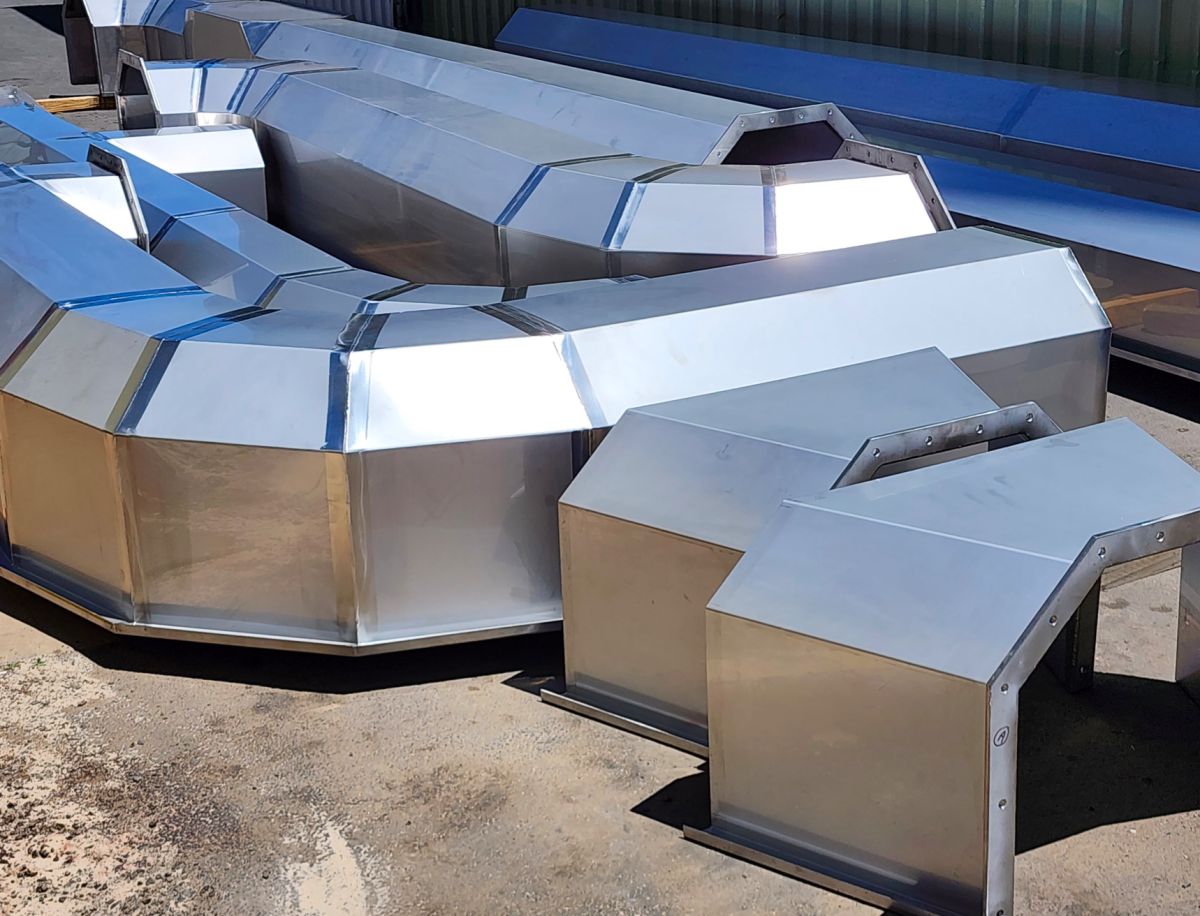
Hand TIG welding, hand and semi-automated MIG welding, and laser welding are carried out in our Minto workshop, while Odoo provides traceability across our operations. We are certified to ISO 9001:2015 for quality management, ISO 45001:2018 for safety and ISO 14001:2015 for environmental management. We are also AS 1210 compliant and HACCP-ready for food production equipment such as the Stingray Mixer.
With a history that includes early plants for SodaStream and Saft, STM has experience across complex projects. You’re welcome to come and see the Minto workshop for yourself, contact us now.
Frequently Asked Questions
What certifications should a stainless steel fabricator have in Australia?
Australian stainless steel fabricators should demonstrate technical capability through relevant industry accreditations and fabrication standards and quality management certifications, such as AS 1210 for pressure equipment, AS 1692 for tanks, and ISO 9001 quality management.
Is 304 or 316 stainless steel better for my equipment?
This depends on the equipment and application. 304 is commonly used for general applications and is more cost-effective, while 316 offers greater corrosion resistance and is often used in pharmaceutical and other demanding applications.
What welding method should a fabricator use on stainless steel?
Tungsten Inert Gas (TIG) welding is widely used where precision and finish are important, providing controlled heat input and clean, consistent welds. Pulse MIG welding also provides similar results. Laser welding is exceptionally better than both in terms of finish and reduced heat input, but has an inherent risk of micro gas inclusions due to the speed at which the weld is laid.
Should I visit a fabricator’s workshop before ordering?
Yes, particularly for a large or high-value project. A workshop visit allows you to assess materials, workmanship, equipment and fabrication capabilities.
What documents should come with a custom stainless steel tank?
Documentation can include material test reports, as-built drawings, weld procedures, inspection and NDT reports, pressure and leak test certificates, passivation records and applicable compliance certifications.